


Illegal Gambling Machines: Michigan Man Faces Felony Charges for the Third Time
Michigan Man Facing Felonies for Third Time Over Illegal Gambling Machines
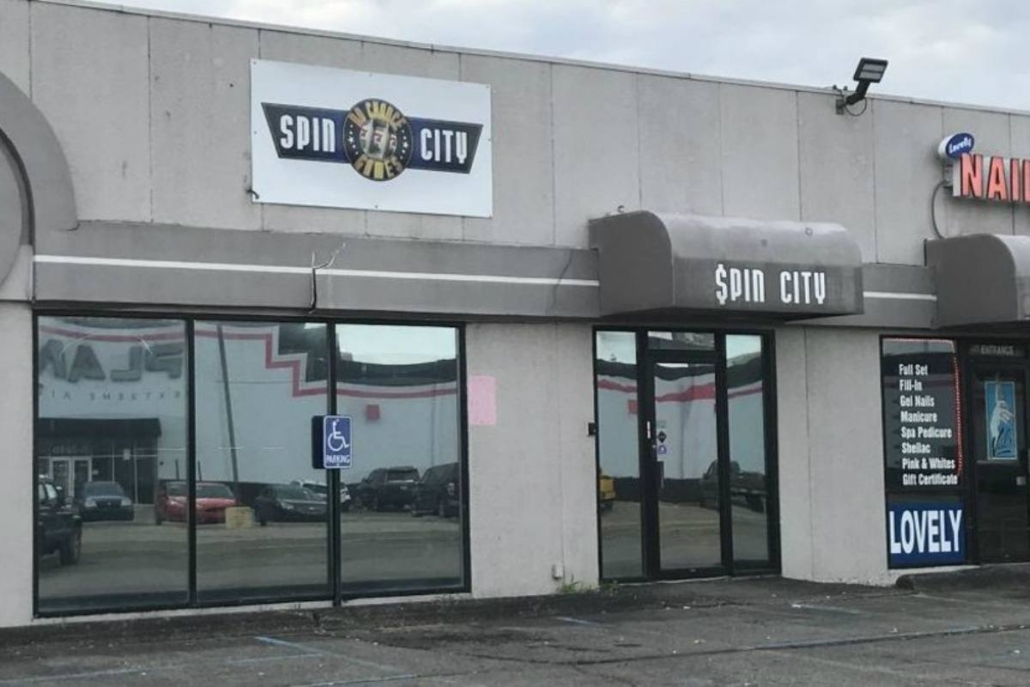
David Hoppe, a 57-year-old man from East China Township, Michigan, has recently made headlines for being arrested on illegal gambling charges for the third time. Authorities allege that he was supplying illegal gambling machines to Spin City, an internet gaming café located in Flint. A joint investigation by the Michigan Department of Attorney General and the Michigan Gaming Control Board (MGCB) led to his arrest.
Hoppe is facing a substantial legal battle with multiple charges: four counts of aiding and abetting an unlicensed gambling operation, each carrying a potential penalty of up to 10 years. Additionally, he faces a count of using a computer to commit a crime, which ranges from 10 to 20 years, and one count of racketeering for conducting a criminal enterprise, which could amount to 20 years in prison.
“Illegal gambling operations are not a victimless crime,” stated Michigan Attorney General Dana Nessel. “State gaming regulations direct financial resources to schools and services that benefit the community.
According to Nessel, the detriment caused by illegal gambling operations affects not only the state’s economy but the well-being of residents. It siphons off funds from legitimate operations that contribute vital taxes to community services, including schools.
Rick Kalm, the MGCB Executive Director, supported Nessel’s statement saying, “Illegal gambling often funds organized crime and diverts crucial funds from schools and local communities that rely on taxes from regulated commercial gaming and revenue sharing from tribal casinos.” This further underscores the challenge posed by unlawful gambling enterprises.
Michigan’s Gambling Landscape
Michigan is home to three major commercial casinos located in downtown Detroit alongside nearly two dozen tribal gaming facilities. The state is also grappling with the controversial presence of “internet sweepstakes cafes,” which entice customers with online games promising prizes, though these often fail to adhere to gaming regulations.
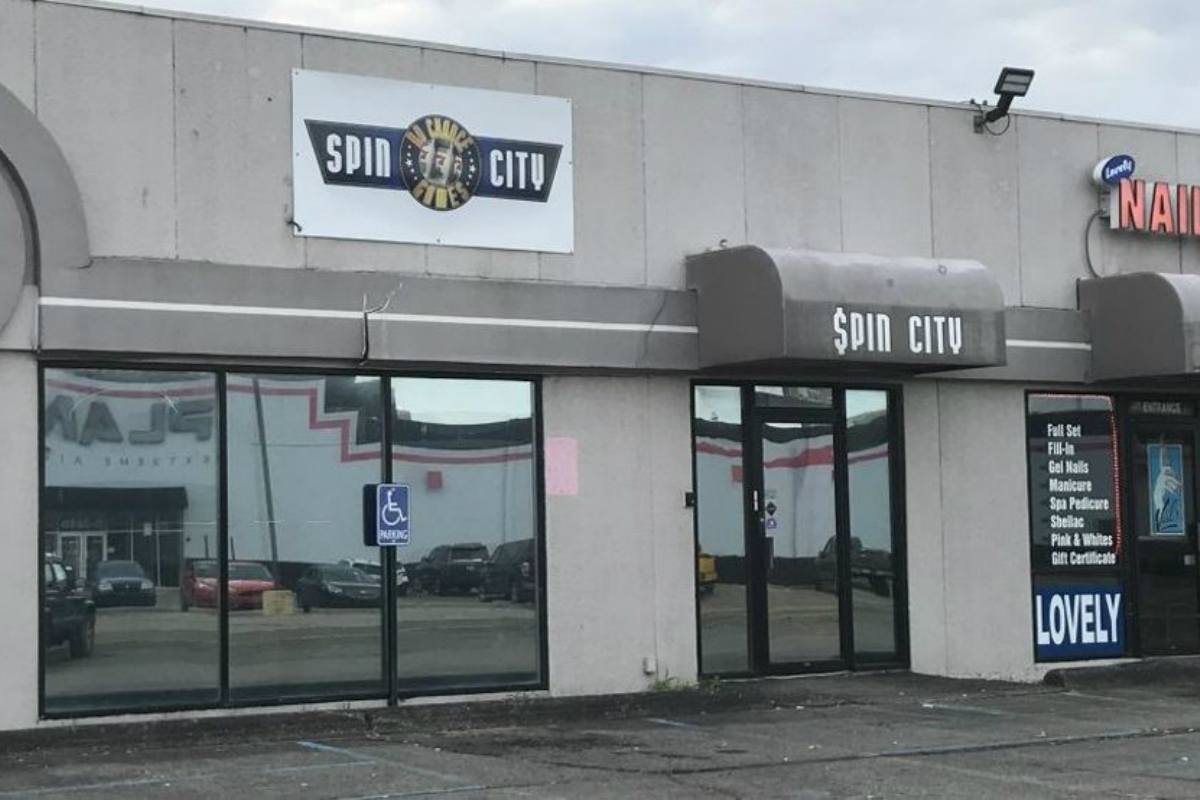
Internet gaming cafes are supposed to provide customers with access to online games where the outcome is not supposed to involve chance, mainly offering predetermined prizes. Spin City, for example, advertises “No Chance Games” on its marquee, yet its branding suggests a focus on gambling with the dollar sign integrated into its name.

Specifically, law enforcement indicates that Spin City was equipped with illegal gambling machines resembling those previously found at another venue, known as the 777 Café, that Hoppe operated in the past.
A Familiar Face to Law Enforcement
David Hoppe is no stranger to Michigan’s gaming authorities. Back in 2013, he pleaded guilty to a misdemeanor for maintaining an illegal gambling operation. Following his plea, he assured the state he would cease distribution of any gaming machines not certified by the MGCB, in return for the state dropping a 10-year felony charge.
However, in January of this year, he was found guilty of another illegal gambling count related to the 777 Café and faced further convictions for using computers in these illegal operations. He was sentenced to probation and required to complete community service.
Now, Hoppe stands accused of six serious felonies and is expected to appear in court. He has been set with a personal bond of $70,000. Additionally, three others have been implicated in relation to the Spin City operation.
Summary
The case of David Hoppe highlights the ongoing issues surrounding illegal gambling in Michigan, raising important questions regarding regulation, economic impact, and community safety. As illegal operations continue to threaten legitimate businesses and public funds, it reveals the critical need for stringent enforcement of gaming laws to protect the interests of the community.

