


The Luck of Dice Games: Superstitions and Myths from Around the World
Introduction
Dice games have been an integral part of human civilization for centuries. They are often associated with luck, chance, and superstition. This article delves into the captivating world of dice superstitions and luck myths from various cultures, exploring how these beliefs influence players and their experiences.
The Origins of Dice Superstitions
The use of dice dates back to ancient times, with evidence found in archaeological sites around the world. The very nature of dice—a tool for chance—has led to numerous superstitions. Players often create rituals to enhance their luck or mitigate the effects of bad rolls.
Historical Context
Dice have been used in ancient civilizations such as Mesopotamia, India, and Greece. Understanding the origins of these beliefs can provide insight into modern-day practices. For a deeper dive, refer to Encyclopaedia Britannica.
Common Dice Superstitions
Here are some prevalent superstitions surrounding dice from around the globe:
- Lucky Numbers: Many cultures have lucky numbers that they believe will yield better rolls. For instance, the number seven is often considered lucky in Western cultures.
- First Roll Curse: Some players believe that the first roll of the dice sets the tone for the entire game. A bad first roll may signal upcoming misfortune.
- Blowing on the Dice: It is common in various cultures to blow on the dice before rolling them to ‘clear’ them of bad luck.
- Specific Colors and Materials: The color or material of the dice can influence superstitions; for example, red dice are seen as auspicious in Chinese culture.
- Chants and Prayers: Some players recite phrases or prayers to invoke help from deities or spirits during games of chance.
Dice Superstitions Across Cultures
Dice superstitions vary significantly across cultures. Here are snapshots of a few:
Western Superstitions
In Western cultures, beliefs often revolve around the number seven and the idea of having a good luck charm. Many gamblers will carry specific items that they believe enhance their luck.
Asian Beliefs
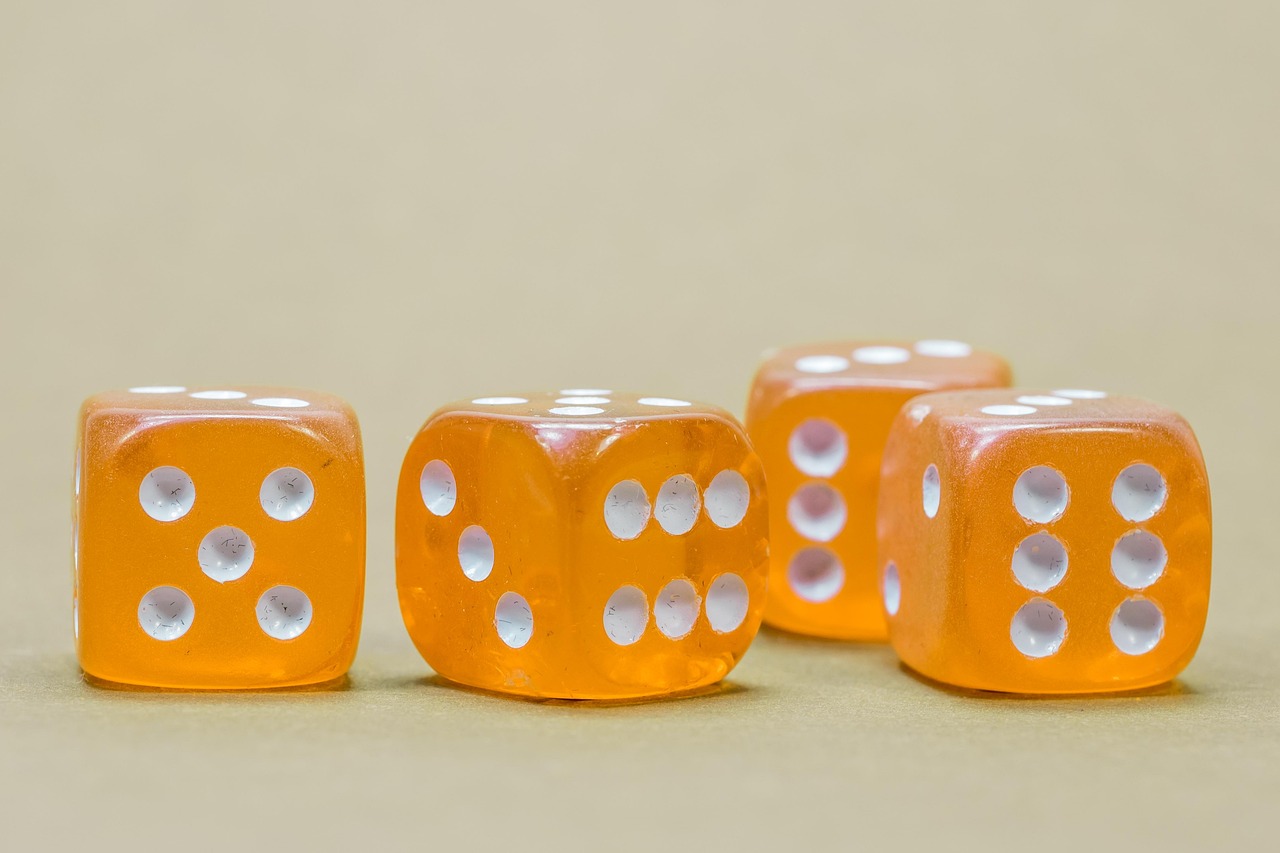
In countries like China, dice games are often played during festivals, and lucky colors such as red enhance the experience. The significance of numbers varies; for example, eight is considered extremely lucky.

Middle Eastern Traditions
In some Middle Eastern cultures, the act of rolling the dice and then showing them to others is seen as a way to share your luck. They often attribute the outcome of the game to divine will.
Rituals Associated with Dice Games
Many players engage in rituals to attract good fortune. These can include:
- Setting the atmosphere with specific lighting.
- Wearing a ‘lucky’ outfit.
- Using special rituals when handling the dice, like cleansing them before a game.
Psychological Aspect of Dice Superstitions
Superstitions often arise from psychological needs. Believers may feel they have some control over random outcomes through their rituals. These behaviors offer players comfort and enhance their experience during games.
Debunking Dice Superstitions
Despite the widespread belief in these superstitions, they lack scientific evidence. Understanding probability can provide a rational explanation for outcomes in dice games. Resources such as Math is Fun can aid in grasping the math behind dice outcomes.
Conclusion
Dice superstitions reflect the human desire for control in uncertain situations. Whether you’re a casual gamer or a seasoned bettor, embracing these beliefs can enhance your experience, even if they are purely psychological. Understanding the cultural context adds depth to the enjoyment of dice games.

