


Illegal Gambling Machines Seized as North Carolina Agents Raid Trinity Casino, Arrests Expected
North Carolina Agents Raid Trinity Location to Seize Illegal Gambling Machines with Arrests Expected
North Carolina authorities are poised to make multiple arrests following a recent raid on a criminal enterprise in Trinity, where the discovery of illegal gambling machines has triggered a massive law enforcement crackdown. The seizure of 25 devices underscores the states aggressive, ongoing efforts to dismantle unlicensed casinos and remove the dangerous presence of illegal gambling machines from local communities.
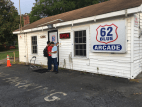
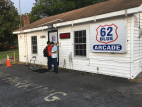
The raid was conducted by Randolph County deputies alongside the North Carolina State Bureau of Investigation (NCSBI) agents, who searched a small building known as the 62 Blue Arcade. Within this establishment, agents discovered a range of illegal gambling devices, including video slot machines and fish game tables, along with an undisclosed amount of cash and relevant documentation.
Investigation Initiated Due to Complaints
This investigation was triggered by numerous complaints from locals regarding the operation of the arcade, as many illegal casinos often operate 24/7, creating significant tension within the community. Concerns raised about such establishments are not isolated incidents, as NCSBI indicated that there has been a notable increase in complaints since 2017.
Under North Carolina law, operating or possessing a gaming machine from which a user can benefit monetarily is illegal. This includes not only slot machines and video gambling devices, which have been outlawed for over a decade, but also the emerging debate around fish gaming tables. While arcade operators assert that these games are based on skill rather than chance, law enforcement considers them illegal.
Recent Trends in Gambling Law Enforcement
North Carolina’s crackdown on illegal gambling is part of a broader legal landscape that has seen numerous raids across the state, particularly targeting illegal gaming machines. Recent enforcement actions include:
- A March operation in Bladen County that led to the seizure of approximately 300 video gaming machines and $10,000 in cash.
- Last November, a raid in Asheboro, also within Randolph County, terminated activities at the Lucky Day Skill Games & Fish Tables, which were identified as illegal.
Legal perspectives on sweepstakes video gaming machines and their regulatory status have caused considerable confusion. Jeffrey B. Welty, director of the North Carolina Judicial College at the University of North Carolina, highlighted the ongoing legislative and judicial challenges in defining these machines’ legality.

Comparative Illegal Gambling Enforcement
Similar sentiments and actions have been echoed in other states. Just recently, authorities in San Antonio, Texas, raided an illegal gambling venue, seizing a dozen slot machines and detaining two women in connection with the operation.
Legal Gambling Landscape in North Carolina
Despite the state’s proactive stance against illegal gambling, North Carolina citizens can still engage in limited legal gambling activities, primarily through the state lottery, which remains immensely popular.
Residents can participate in online lottery games, including the well-known Mega Millions and Powerball draws, but commercial gambling venues are forbidden. Only tribal casinos operating on reservation land can offer gambling services. Recently, there has been growing support within the legislature for proposals that expand sports betting and horse wagering at tribal venues, indicating a potential shift in the state’s gambling policy.
Conclusion
The ongoing crackdown on illegal gambling operations in North Carolina, including recent raids like the one in Trinity, reveals the state’s commitment to enforcing its gambling laws. With the rising popularity of sweepstakes games and emerging gambling technologies, it will be interesting to observe how legislation adapts to the evolving gambling landscape. Community concerns regarding unregulated gambling establishments will likely continue to shape enforcement actions and policy discussions in the future.

