


How Lottery Scams Work: Publishing Clearing House Scammer Extradited to the US
How Lottery Scams Work: Lessons from the Publishing Clearing House Extradition Case
A Jamaican national, who allegedly orchestrated sophisticated lottery scams to defraud elderly individuals out of tens of millions, is now in US custody following his extradition from Panama. By exploiting the psychological allure of massive jackpots, his fraudulent schemes mirrored the deceptive tactics often seen in high-stakes lottery scams, leaving vulnerable victims devastated before his eventual capture.
Panamanian authorities extradited 31-year-old Adrian Lawrence to the US on February 8 after his arrest last month in the Central American nation.
He recently appeared in federal court in New York facing six charges, including conspiracy, mail fraud, and wire fraud. As per the indictment, Lawrence and his accomplices ran a sophisticated phone and email scam targeting elderly Americans from October 2013 to April 2020.
Should he be found guilty, he could spend up to 20 years behind bars.
Millions in Fraud
Lawrence’s scam followed a well-trodden path. He allegedly informed elderly victims that they had won PCH prizes or were lucky lottery winners by federal agencies like the Federal Trade Commission.
He then required them to send money to various bank accounts purportedly to cover processing and shipping fees for their winnings.
His unnamed co-conspirators opened and managed these bank accounts and took a cut of the collected money.

At least 50 individuals have reportedly sent over $6 million to Lawrence and his associates, with the average age of the victims being 81.
Lawrence employed multiple aliases, along with various email addresses and phone numbers, to execute this scheme.
Sweepstakes Scams on the Rise
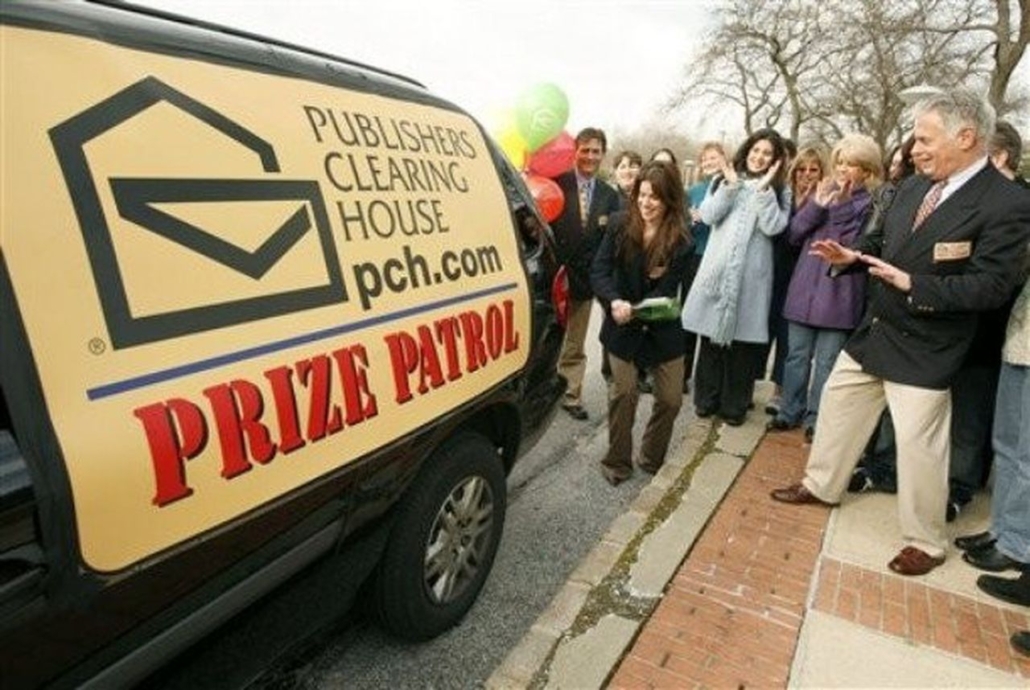
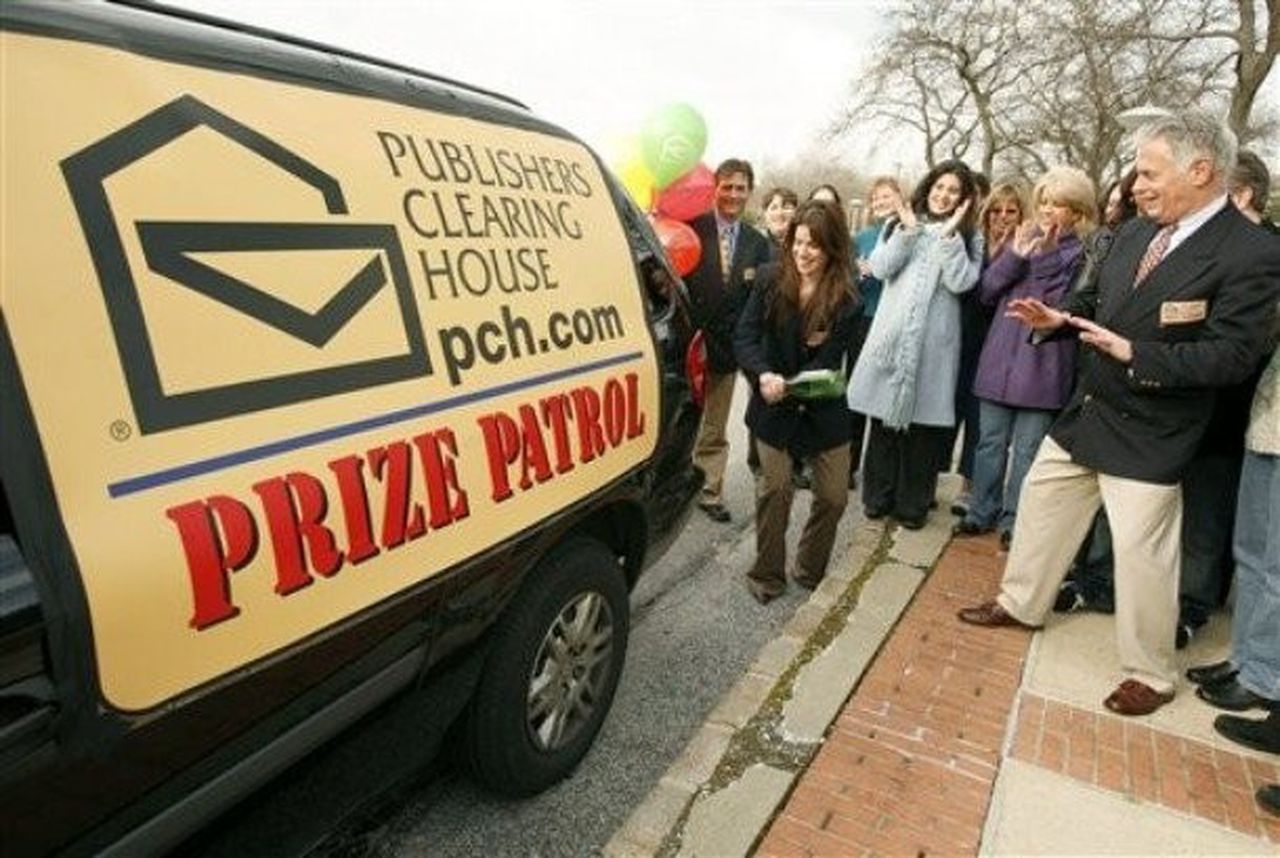
The Publishers Clearing House has been around since the early 1950s, launching its sweepstakes in 1967. It didn’t take long for criminals to learn how to exploit it for financial gain. Since then, PCH has distributed over $315 million in cash prizes.
According to the Identity Theft Resource Center (ITRC), cases of PCH fraud have surged by 240% as of last September.
In addition to financial loss, many victims have also faced identity theft, deceived into revealing personal data such as Social Security numbers. This makes the PCH scam particularly insidious, as it capitalizes on the perceived legitimacy of PCH’s real sweepstakes.
How to Protect Yourself from Sweepstakes Scams:
- Understand Legitimate Practices: Legitimate organisations will not ask for payment to claim a prize.
- Be Wary of Unsolicited Contacts: If you did not enter a contest, it’s likely a scam.
- Verify the Source: Check official websites or contact the organisation directly if you have doubts.
- Report Suspicious Activity: Notify the authorities to help combat fraud.
