


The Future of Casino Gaming: Macau’s Economic Diversification Goals Amidst Gaming Dependency
Achieving Economic Diversification Through Advanced Casino Gaming in Macau
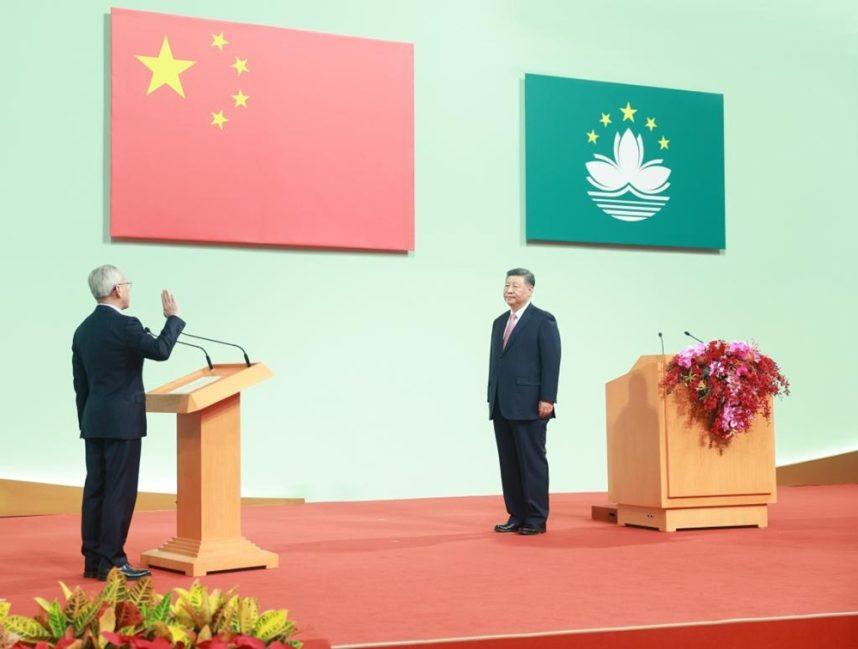
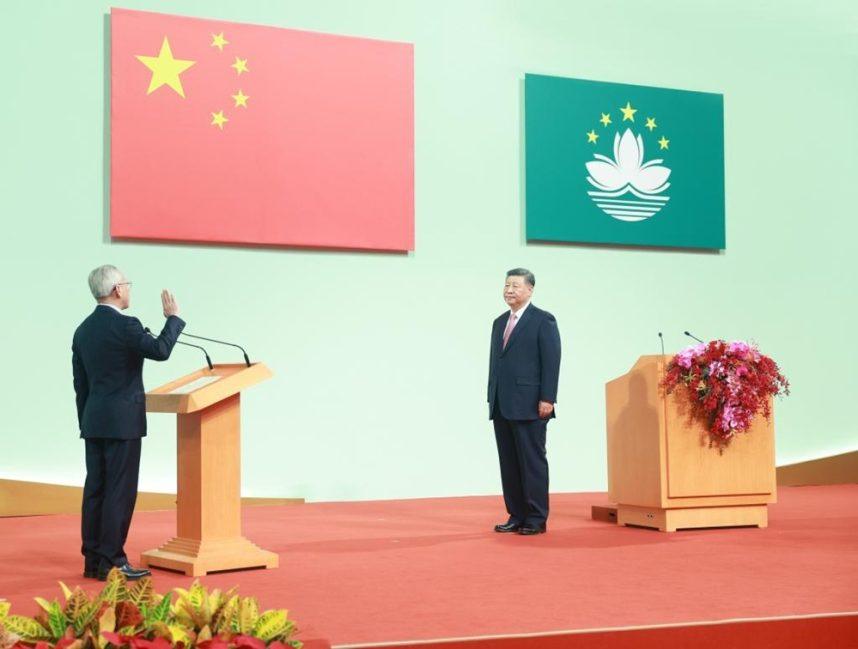
During his recent visit to Macau, Chinese President Xi Jinping discussed crucial economic strategies aimed at fostering long-term stability through moderate diversification. A key component of this vision involves evolving the local landscape to ensure that casino gaming remains a globally competitive industry while simultaneously cultivating new, innovative sectors to support the regions international economic standing.
The Current Economic Landscape
Macau’s economy, known for its heavy reliance on casino gaming, represents an area of concern for its future sustainability. Xi’s remarks underline the necessity for reform and innovation in a region where over 80% of tax revenues are derived from gaming.
- Challenges include money laundering and economic stability.
- Xis’s focus on diversifying towards financial services and technology sectors.
Historical Context

Since its transition to Chinese rule 25 years ago, Macau has evolved into the world’s largest casino hub. Its transformation, fueled by influxes of tourists, has resulted in astounding GDP growth from $6.4 billion in 1999 to over $47 billion in recent years.
Future Directions and Initiatives
Moving forward, Xi initiated the Greater Bay Area project aimed at enhancing the economic integration of Macau with Hong Kong and surrounding mainland cities. This ambitious initiative seeks to build a comprehensive economic powerhouse.
Conclusion
The call for diversification by President Xi is crucial as Macau navigates profound changes in its economic landscape, aiming for a sustainable and balanced future beyond just casino gaming.
