



From Statehood to Slots: The Truth Behind Nevada’s Admission and the Rise of Las Vegas Casinos
The Truth Behind Nevada’s Admission to the Union and the Rise of Las Vegas Casinos
The admission of Nevada as the 36th state of the United States is often attributed to the immense wealth of the 1859 Comstock Lode, a legacy of prosperity that laid the early groundwork for the legendary Las Vegas casinos we see today. However, recent research and insights from historians reveal a more complex story behind the states foundation. Contrary to popular belief, the alignment of political motives during the Civil War era played a more critical role in Nevada’s statehood than the silver and gold that eventually fueled its world-famous gaming industry.

Historian Guy Rocha has notably described this narrative as “our state’s No. 1 legend.” While many have long associated Nevada’s entry into the Union with its mineral wealth, the truth is more closely tied to the political ambitions of President Abraham Lincoln.
The Silver and Gold Myth
While indeed, Nevada’s mineral wealth was an important aspect of its creation as a territory on March 2, 1861, the timing was critical. The federal government aimed to utilize Nevada’s resources to support the Union’s war efforts. Taxes collected from the state were also funneled into the Union cause.
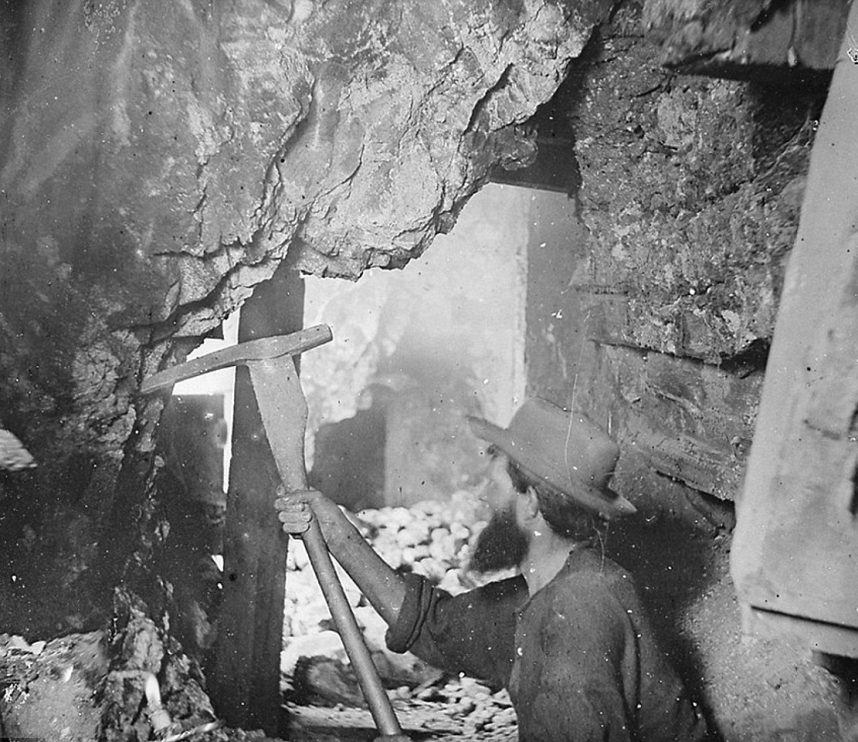
- Silver and gold were initially crucial for minting coins and supporting the currency.
- However, by the time Nevada became a state in 1864, the Civil War was nearing its end with decisive Union victories.
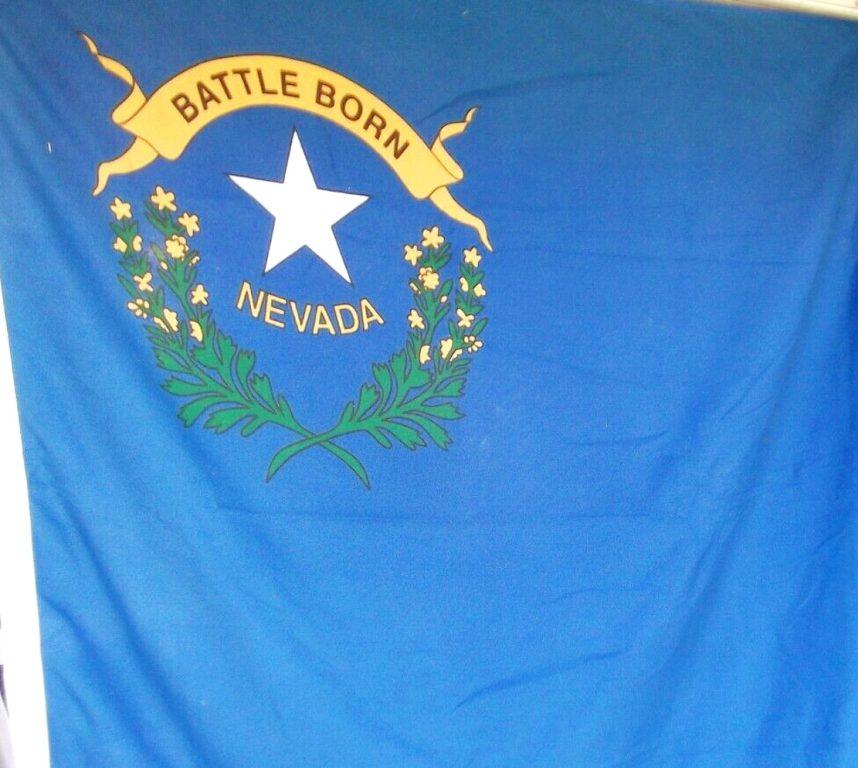
The state’s motto, which many interpret as “Battle Born,” also contributes to the confusion regarding its history. In reality, while the state aimed to show allegiance during the war, its official motto is “All For Our Country,” reflecting its commitment to the Union.
Political Motives for Statehood

As Lincoln prepared for re-election, he was aware of the increasing complexity of the political landscape. Notably, Nevada’s admission was also driven by the need for new electors. Upon its statehood, Nevada was eligible to send three electors to the Presidential Election, a boon for Lincoln.
- Lincoln secured Nevada’s statehood on October 31, 1864, just days before the presidential election.
- His victory was significant, as he garnered 212 electoral votes, defeating McClellan decisively.
- Importantly, Nevada’s single Congressman at that time played a role in passing the key constitutional amendment abolishing slavery.
Dispelling Additional Myths
Critics of Nevada’s admission often argue it was unlawful due to its small population, which was below the federally mandated 60,000 residents for statehood.
- The Northwest Ordinance did allow for exceptions if the territory had a republican constitution.
- Many are unaware of Nevada’s actual state motto, “All For Our Country,” shown on its state seal, which highlights a commitment that supersedes the ambiguous “Battle Born.”
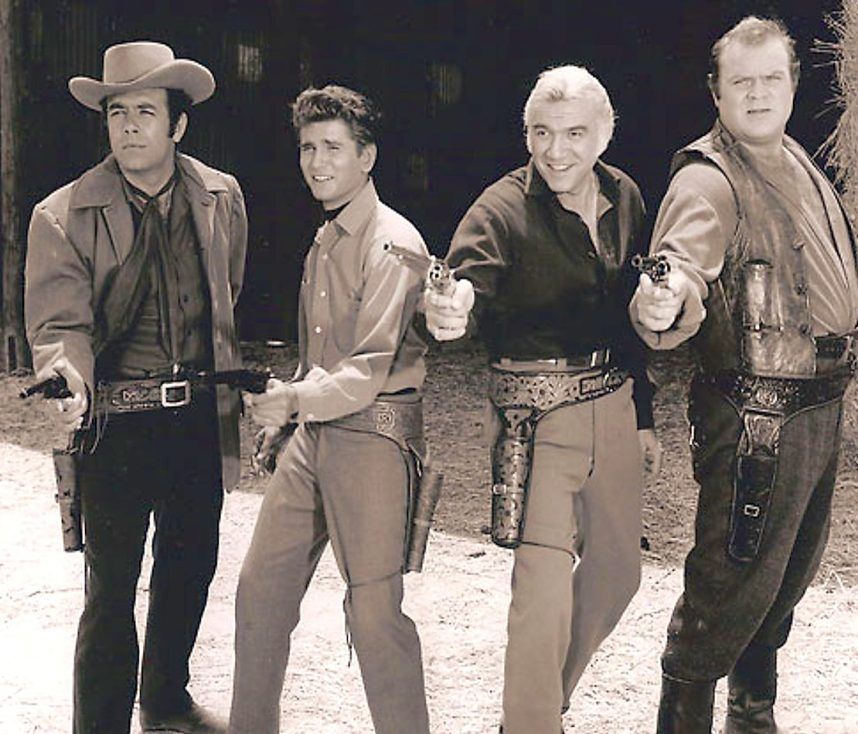
All these unveil layers of historical misconceptions, often perpetuated by media such as the popular TV show “Bonanza,” which inaccurately depicted Nevada’s constitutional debates.
Conclusion
In summary, Nevada’s admission into the Union was not merely a result of its mineral wealth but rather a strategic political move during a tumultuous time. Understanding this history allows us to appreciate the state’s evolution and its crucial role in American history.
